

The Importance of a Gas Certificate for Landlords
A gas certificate is issued by an engineer who has been certified after a thorough inspection of the gas appliances inside a property. It contains a thorough description of the appliance as well as information about the engineer.
Landlords should have their properties inspected regularly to protect their tenants from carbon monoxide poisoning as well as other gas-related accidents. This will help them avoid costly repairs and legal issues.
Landlords
A Gas Safe certified engineer has verified and approved the gas appliances of a landlord. It is required by law for any person who leases their property and also safeguards tenants from defective equipment that could result in dangerous accidents. The cost of an inspection is typically between PS60 and PS120. Landlords who do not obtain their gas certificates may be subject to fines or other legal actions.
Landlords need a Gas Safety Certificate, or CP12, for all gas appliances that are in their property. This includes boilers, cookers as well as heaters, fires, and stoves. It also covers any flues or pipework that connect to them. Landlords are accountable for the maintenance and repair of their appliances, and making sure that the flues and pipework are safe. They also have to keep a record of the annual gas tests.
When selling their home, a landlord can provide prospective buyers with a gas certificate. This will make the sale more efficient and smooth. It also puts potential buyers at ease, reassure them that the house is fully functional and safe to live in.
During the inspection the engineer will make sure that all gas appliances are operating safely and efficiently. The engineer will also test the ventilation passages to ensure that no carbon monoxide escapes into the living space. The engineer will also make sure that the gas connections are secure, and that the gas meter is installed and working.
The engineer will then record the results of the inspection onto the Gas Safety Certificate (CP12). It will include details of the appliances that have been tested. It will also indicate whether any are deemed "Immediately dangerous" or "At Risk." Appliances marked as ID or AR need to be replaced as soon as they are discovered. Appliances that are rated as NCS can be used for a short period of time but must be replaced as soon as is possible.
The name and Gas Safe Register number of the engineer who carried out the inspection. The address of the property being inspected. A list of all of the gas appliances in the property. Date of the gas safety inspection. The date of expiry (normally one year). A copy of the Gas Safety Certificate.
Tenants
A gas certificate is a vital document for landlords. It is proof that the appliances in the property have been serviced and tested to ensure safety and that they are safe to be used by tenants. Landlords are legally obligated to organize these annual services and inspections in order to ensure the safety of their tenants. Tenants can also request a copy gas certificates to confirm that the rental property is safe and suitable for living in.
A valid CP12 gas certificate is legally required for all rental properties. The certificate is valid only for a period of one year. It is essential that landlords renew the certificate on time. If they don't face hefty fines, they could be liable and their rental property could be deemed illegal to let out.
A gas certificate is not only a legal requirement, but can also assist landlords in getting an affordable rate on their insurance. Some home insurers will only provide cover if the landlord has a valid CP12. It is therefore crucial that landlords verify their gas certificates prior to letting their property.
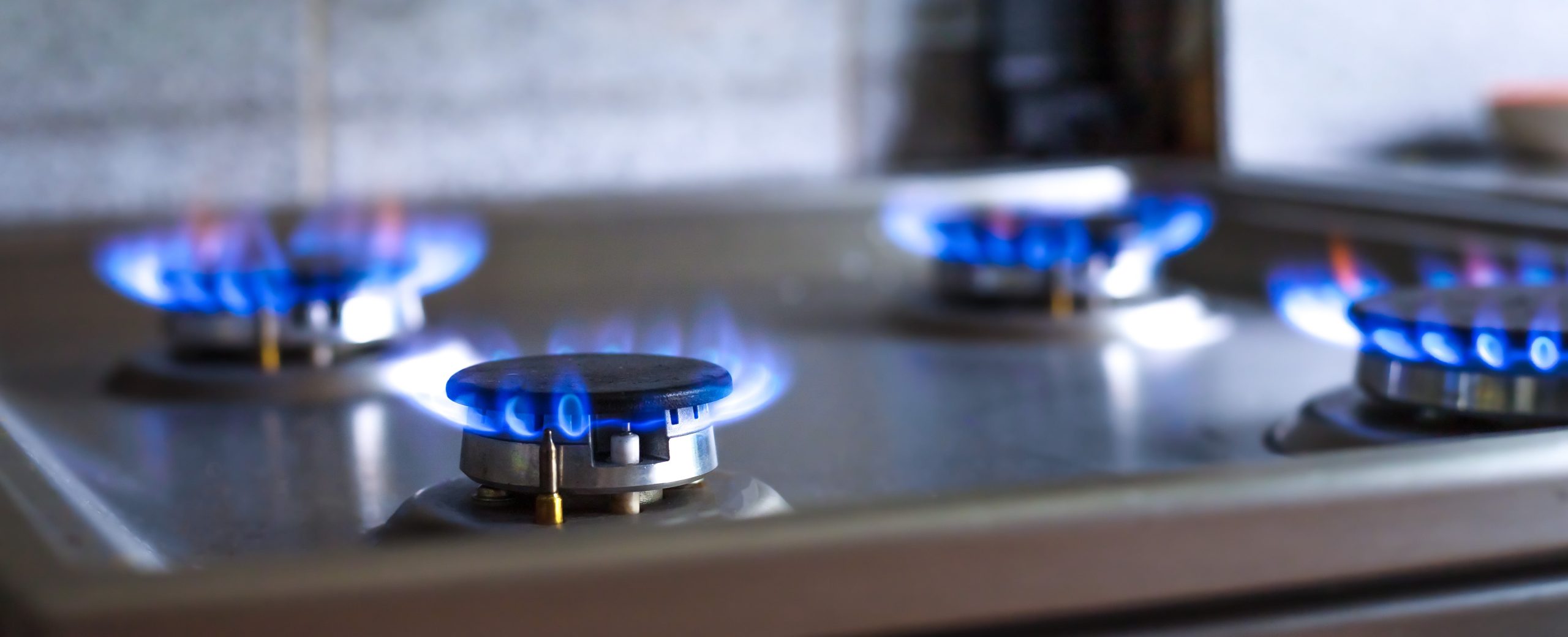
It is recommended that an engineer conduct a fresh inspection on a property after it has been empty. This is because the appliance might be harmed during the time it was empty and it's crucial to confirm that everything is secure.
Although it isn't an official requirement for homeowners to possess gas certificates, they are beneficial in selling their homes. A valid gas certificate will help buyers feel at ease and can expedite the conveyancing process.
A gas safety certification is a set of three sheets that are colour coded with a yellow triangle that reads 'Gas Safe. In the upper right corner. The first sheet is for the owner/landlord who owns the property, the second sheet is for any managing agent that has been appointed, and the third is for the tenant to retain.
The document will include the name and registration number for the Gas Safe engineer that conducted the inspection, as well a list of appliances included in the test. It will also indicate whether or not the appliance is deemed to be non-compliant (NCS) or Immediately Dangerous (ID) or At Risk (AR). It will also give specifics of any repairs made to the appliance and whether or not it passed its test.
Homeowners
A gas certificate is not only a legal requirement in various areas, but it also offers many benefits for landlords and homeowners. For instance, it can aid in preventing accidents that could be caused by malfunctioning gas appliances or installations. This might include fires, carbon monoxide poisoning or even explosions. Regular inspections by a certified engineer will ensure that all security measures to guard against these hazards are in place.
It is a good idea whether you are a homeowner or a landlord, to have your property regularly inspected by an engineer registered with Gas Safe. This will ensure that you and your family are secure from any dangers that could arise and will prevent costly repairs. The gas safety report will provide an in-depth overview of all the appliances and fittings in your home. It will also detail the condition of the appliances and any needed repairs. The engineer will stamp the gas safety certificate for any appliances that are considered to be unsafe. This will minimize any potential danger and allow you to remove them until the issue is resolved.
A gas certificate can be helpful for homeowners who want to sell their home. This document will demonstrate to prospective buyers that the gas appliances and installation in the house is secure. This could to increase the value of your home or allow you to negotiate for a better price.
For landlords, gas safety certificates are legally required and should be obtained on an annual basis. This will keep landlords and tenants both safe from heating or gas hazards that could cause serious injuries, or even death. Landlords must also ensure that they obtain a new certificate after the current ones expires, so that they avoid any fines or legal action. Gas certificates can also be beneficial to homeowners, as they can boost the value of their property and are required by certain insurance policies or warranty policies.
Commercial operators
Maintaining and obtaining the gas certificate is an essential part of managing commercial property. It assures that the business is in compliance with the proper standards for gas appliances and systems. This reduces the risk of catastrophes such as fires and carbon monoxide poisoning. This ensures that businesses have a good reputation with customers, clients as well as regulatory bodies.
A gas certificate is only valid if it has been issued by an Gas Safe registered engineer, who will visit your premises and assess all the gas appliances you have and any accessible pipework. They will test for a variety of elements, including visual inspection and functional and operation testing. They will also make sure that the extraction system is operating properly to prevent gas leaks. The gas engineer will then complete the safety record form and present it to you. The record will include the date of the inspection, the engineer's name and Gas Safe register number, and a list of any issues that the inspector has found.
It is crucial for businesses to adhere to the law and possess an official gas certificate, since a failure to comply could result in heavy penalties or even the shutting of the business. Insurance companies may require proof of compliance in order to extend coverage. Failure to provide this proof could expose businesses to legal claims from employees and customers, heightening the risks of operations.
In short it is a mandatory requirement for landlords, homeowners, and commercial operators. It confirms that all gas appliances and accessible pipework are safe for use, protecting the health and well-being of everyone.
For this reason, it is critical to schedule regular gas safety inspections to ensure that all appliances are functioning properly. This will not only help to minimise the risk of a dangerous incident, but it will also aid in saving on expenses for energy by making sure that all appliances are operating efficiently. This can help the environment by reducing emissions and contributing to a more sustainable future. Aside from the obvious benefits the gas safety check is also a great way to show customers and employees that your business takes the safety of their employees seriously.